

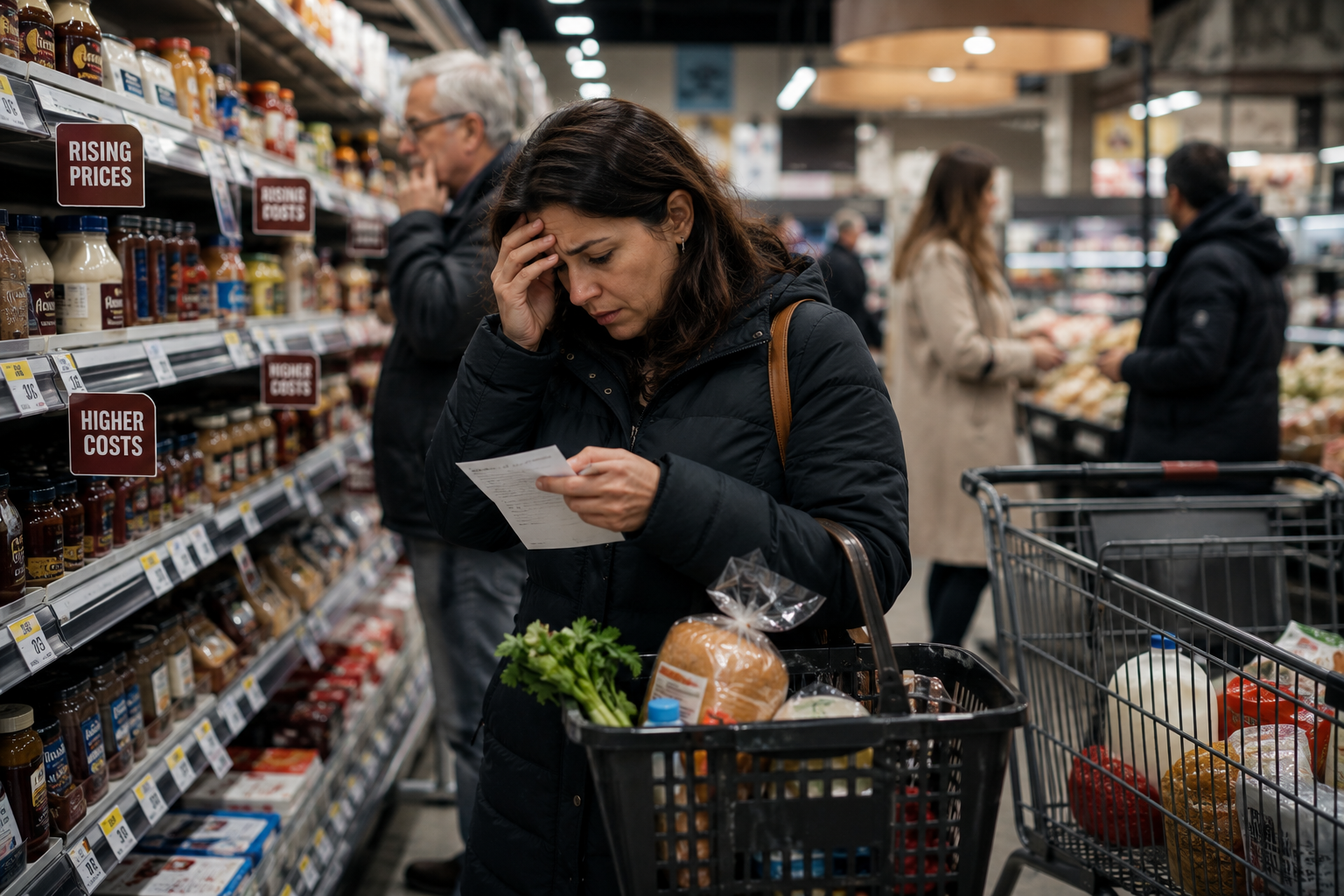
The latest US consumer sentiment data is sending a strong warning about how Americans currently feel about the economy. According to new reports, consumer confidence has dropped to a record low as households continue struggling with inflation, higher costs, and uncertainty about the future.
For many Americans, the economy no longer feels stable. Everyday expenses remain high, borrowing money has become more expensive, and financial pressure continues affecting household decisions across the country.
The sharp decline in US consumer sentiment matters because consumer confidence often shapes spending behavior, economic growth, and business activity. When people feel worried about the future, they usually spend less money and become more cautious financially.
That pattern is now becoming increasingly visible across the US economy.
US Consumer Sentiment Hits a Record Low
Recent economic data shows that US consumer sentiment has fallen to its lowest level on record.
The latest survey reflects growing concern among Americans about inflation, job security, household finances, and the broader economic outlook.
Consumers across different income levels reportedly expressed frustration about the rising cost of living and uncertainty surrounding future economic conditions.
The decline in US consumer sentiment highlights how deeply inflation and financial pressure continue affecting everyday life in America.
Even though inflation has cooled compared to earlier peaks, many families still feel financially strained because prices remain significantly higher than before.
Inflation Remains a Major Concern
One of the biggest reasons behind weaker US consumer sentiment is ongoing inflation pressure.
Americans continue paying more for:
- Groceries
- Housing
- Insurance
- Healthcare
- Transportation
- Dining and entertainment
Although inflation growth has slowed in some areas, overall prices remain elevated compared to previous years.
For many households, wages have not fully kept pace with higher living expenses.
That gap between income growth and rising costs continues damaging US consumer sentiment across the country.
Grocery Prices Continue Hurting Household Budgets
Food prices remain one of the most visible financial pressures for consumers.
Families notice inflation most directly during regular grocery shopping, where many basic products still cost far more than they did a few years ago.
The ongoing strain on household budgets is one reason US consumer sentiment remains historically weak.
Housing Costs Add More Pressure
Housing affordability also continues affecting consumer confidence.
Mortgage rates remain elevated, rent costs stay high in many cities, and homeownership feels increasingly difficult for younger Americans.
These financial challenges are heavily influencing the latest US consumer sentiment numbers.
Americans Feel Less Optimistic About the Future
The latest US consumer sentiment survey shows that many Americans now feel less hopeful about future economic conditions.
Consumers reportedly worry about:
- Long-term inflation
- Economic slowdown
- Job security
- Personal finances
- Future purchasing power
When people become uncertain about the future, they often reduce spending and delay major purchases.
That shift can eventually slow economic growth because consumer spending remains one of the biggest drivers of the US economy.
The latest decline in US consumer sentiment therefore has broader implications beyond personal finances alone.
Higher Interest Rates Continue Affecting Consumers
Interest rates remain another major factor behind weaker US consumer sentiment.
Borrowing money has become significantly more expensive compared to previous years.
Consumers now face higher costs for:
- Mortgages
- Car loans
- Credit cards
- Business loans
- Personal financing
These higher borrowing costs reduce spending flexibility for households and businesses alike.
Many Americans now feel financially stretched even if they remain employed.
That ongoing financial pressure continues weakening overall US consumer sentiment.
Consumer Spending Could Slow Down
Economists closely watch US consumer sentiment because confidence levels often influence spending activity.
When people feel financially uncertain, they usually become more cautious with money.
That can lead to:
- Lower retail spending
- Fewer major purchases
- Reduced travel activity
- Slower housing demand
- Weaker business revenue
Some analysts now worry the record-low US consumer sentiment reading could signal slower economic activity in the coming months.
Businesses across multiple industries are therefore paying close attention to changing consumer behavior.
Financial Markets Are Watching the Data Closely
The latest US consumer sentiment figures are also attracting attention from investors and financial markets.
Consumer confidence plays an important role in forecasting future economic conditions.
Weak confidence may increase concerns about:
- Slower growth
- Lower corporate earnings
- Reduced spending
- Labor market weakness
- Economic instability
Financial analysts now expect upcoming inflation reports, retail sales data, and employment figures to receive even greater attention.
The decline in US consumer sentiment could also influence future expectations surrounding interest rate decisions.
The Federal Reserve Faces a Difficult Situation
The weakening US consumer sentiment numbers create another challenge for the Federal Reserve.
The central bank continues balancing two major goals:
- Controlling inflation
- Supporting economic growth
High interest rates help reduce inflation pressure, but they can also slow economic activity and increase financial strain on households.
The Federal Reserve must therefore carefully evaluate whether inflation remains the bigger risk or whether economic weakness is becoming more serious.
The latest US consumer sentiment decline may increase pressure for future policy adjustments if economic conditions continue softening.
Younger Americans Feel Increasing Financial Stress
The drop in US consumer sentiment appears especially strong among younger consumers.
Many younger Americans face:
- Student debt
- Expensive housing
- High living costs
- Slower savings growth
- Difficult homeownership conditions
For younger workers and families, achieving financial stability now feels harder than in previous years.
That growing frustration continues shaping broader economic attitudes across the country.
The latest survey results suggest many consumers feel trapped between rising costs and limited financial flexibility.
Why US Consumer Sentiment Matters So Much
The US consumer sentiment index remains one of the most important indicators in the economy because it reflects how people actually feel about their financial future.
Strong confidence often supports:
- Consumer spending
- Business investment
- Economic growth
- Housing activity
- Hiring expansion
Weak confidence can create the opposite effect.
When consumers become nervous, businesses may also become more cautious. That can slow hiring, investment, and overall economic momentum.
The latest US consumer sentiment decline therefore matters not only psychologically, but economically as well.
Experts Remain Divided About the Outlook
Economists continue debating what happens next.
Some experts believe US consumer sentiment could improve later if inflation continues easing and interest rates eventually decline.
Others worry that persistent financial pressure may continue weakening household confidence throughout the year.
Several factors will likely shape future sentiment levels:
- Inflation trends
- Interest rate policy
- Labor market strength
- Wage growth
- Consumer spending patterns
The coming months will therefore be extremely important for the broader economy.
Final Thoughts
The latest decline in US consumer sentiment to a record low highlights growing anxiety across the American economy. Rising costs, higher borrowing expenses, inflation pressure, and uncertainty about the future are all affecting how consumers feel about their financial situation.
Even though the economy continues showing strength in some areas, many households still feel financially stressed in daily life.
That disconnect between economic data and personal experience is becoming one of the biggest stories shaping consumer confidence in 2026.
The future direction of US consumer sentiment will likely play a major role in determining how businesses, policymakers, and financial markets respond during the months ahead.
Read Another Interesting news here: Canada Unemployment Rate Rises
