

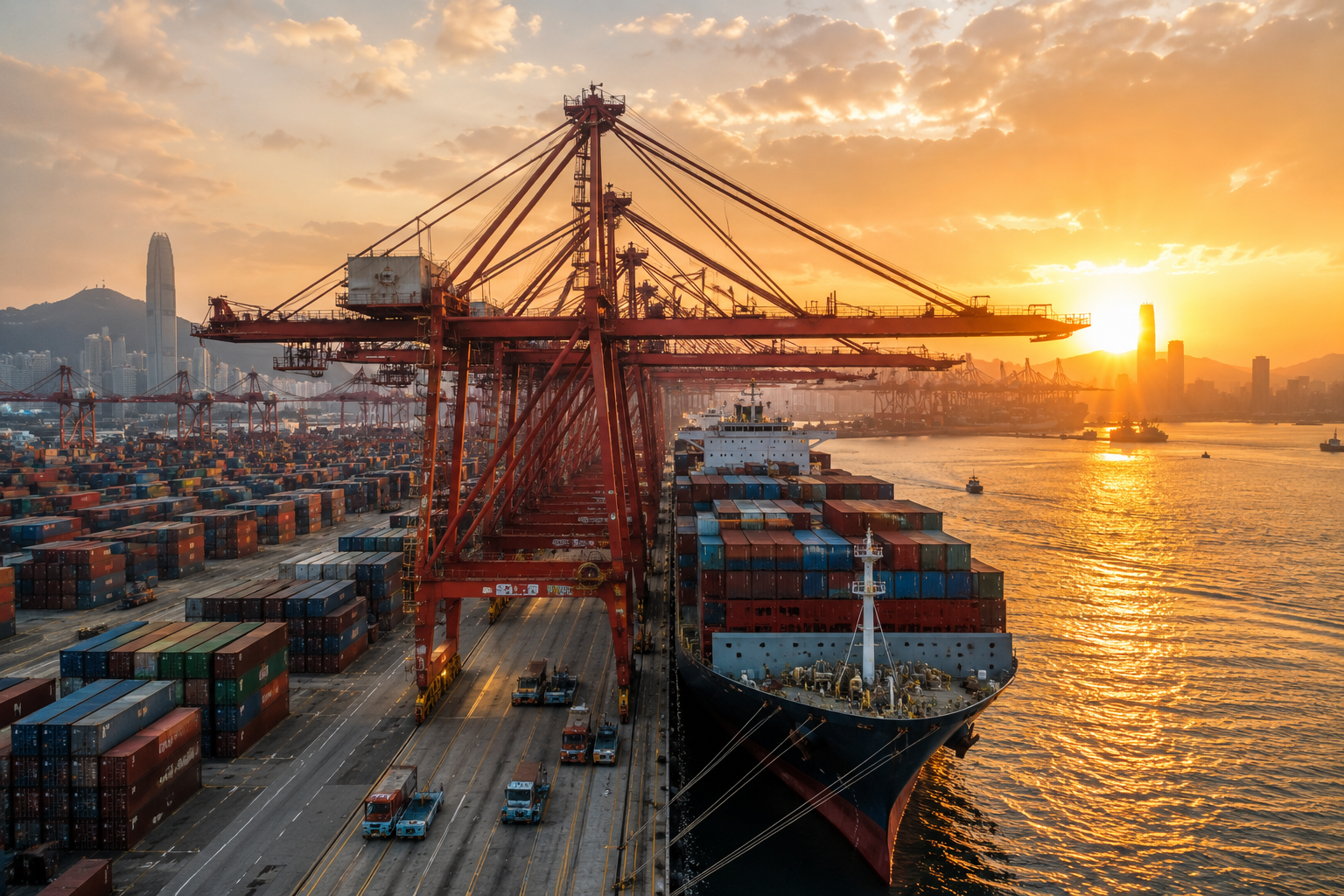
The latest Chinese export growth data is surprising economists around the world. Despite ongoing geopolitical tensions, global conflict, and weakening demand in several markets, China’s exports rebounded more strongly than expected in April.
For months, analysts warned that wars, shipping disruptions, and economic uncertainty could hurt global trade significantly. However, the newest figures show that China’s manufacturing and export machine continues moving forward even during difficult global conditions.
The rebound in Chinese export growth highlights how deeply connected China remains to international supply chains and global manufacturing demand.
It also shows that many businesses worldwide still rely heavily on Chinese factories for electronics, machinery, industrial products, and consumer goods.
Chinese Export Growth Surprised Economists in April
According to the latest trade data, Chinese export growth accelerated sharply in April, beating many market expectations.
The stronger performance came despite growing geopolitical instability and conflict affecting multiple regions around the world.
Exports reportedly increased at a faster pace than economists predicted, signaling that international demand for Chinese goods remains relatively resilient.
The rebound in Chinese export growth is important because exports remain one of the largest drivers of China’s economy.
When exports perform well, manufacturing activity, factory production, shipping, and employment often receive support as well.
Global Conflict Has Not Fully Stopped Trade Activity
One of the most interesting parts of the latest Chinese export growth report is that global conflict has not completely disrupted trade activity.
Analysts expected wars and geopolitical tensions to create deeper damage across international supply chains. While disruptions certainly exist, global trade continues adapting rather than collapsing.
Chinese exporters appear to be finding ways to maintain shipments even amid rising uncertainty.
Several industries reportedly continued seeing strong overseas demand, helping support overall Chinese export growth despite difficult global conditions.
This demonstrates how flexible international trade networks can become during periods of crisis.
China’s Manufacturing Sector Remains Strong
The latest Chinese export growth numbers also highlight the continued strength of China’s manufacturing industry.
China remains one of the world’s largest production centers for:
- Electronics
- Machinery
- Consumer products
- Industrial equipment
- Solar technology
- Batteries
Even as some countries attempt to diversify supply chains, many businesses still depend heavily on Chinese manufacturing capacity.
Factories across China continue producing enormous volumes of goods for international markets.
That manufacturing strength remains one of the biggest reasons Chinese export growth recovered faster than many experts expected.
Industrial Production Supports Export Momentum
Strong factory production has played a major role in supporting exports.
Chinese manufacturers reportedly increased shipments across multiple product categories during April.
The rebound in Chinese export growth therefore reflects not only international demand, but also China’s ability to maintain large-scale industrial output efficiently.
Supply Chains Continue Adapting
Global supply chains have changed significantly over the past few years.
Companies now use more diversified logistics strategies, alternative shipping routes, and regional partnerships to reduce disruption risks.
Those adjustments may be helping maintain stronger Chinese export growth even during geopolitical uncertainty.
Trade Pressure With Western Countries Continues
Although Chinese export growth rebounded, trade pressure between China and several Western countries remains an important issue.
Governments in the United States and Europe continue debating tariffs, technology restrictions, industrial policy, and supply chain security.
These political tensions have increased pressure on Chinese exporters in recent years.
However, the latest data suggests global demand for many Chinese products remains strong despite those political disagreements.
That creates a complicated economic relationship where competition and dependence continue existing at the same time.
Chinese Export Growth Helps Support the Economy
Exports remain extremely important for China’s overall economic stability.
The rebound in Chinese export growth may help offset weakness in other parts of the Chinese economy, especially areas connected to property markets and slower domestic demand.
Stronger exports can support:
- Factory employment
- Business investment
- Industrial production
- Shipping activity
- Economic growth
That is why Chinese officials closely monitor trade performance every month.
Positive export data can improve confidence among businesses, investors, and policymakers.
Global Demand for Technology Products Remains Strong
Technology-related exports reportedly played an important role in the latest Chinese export growth rebound.
International demand continues for products such as:
- Smartphones
- Computer components
- Industrial electronics
- Renewable energy equipment
- Electric vehicle batteries
China remains deeply integrated into global technology manufacturing supply chains.
Even companies outside China often depend on Chinese suppliers for essential components and industrial materials.
That ongoing dependence continues supporting export activity despite geopolitical tensions.
Shipping and Logistics Continue Facing Challenges
Although Chinese export growth improved, shipping and logistics challenges remain serious concerns.
Global trade routes still face pressure from:
- Regional conflicts
- Shipping delays
- Rising transportation costs
- Security risks
- Supply chain disruptions
Several shipping companies continue adjusting routes and operations due to geopolitical instability.
However, the latest trade figures suggest exporters and logistics providers are adapting more effectively than earlier in the conflict period.
That adaptability is helping maintain international trade flows.
Economists Remain Divided About the Future
The stronger Chinese export growth numbers have created mixed reactions among economists.
Some analysts believe the rebound shows global trade remains more resilient than expected.
Others warn that geopolitical risks could still create major economic disruptions later if conflicts expand further.
Several factors could influence future export performance:
- Global consumer demand
- Shipping stability
- Energy prices
- International sanctions
- Trade policy decisions
Economists therefore continue monitoring Chinese trade data very closely.
Why Chinese Export Growth Matters Globally
The importance of Chinese export growth extends far beyond China itself.
China plays a central role in global manufacturing and international supply chains. Changes in Chinese export activity can affect businesses, consumers, and economies worldwide.
Stronger exports may help stabilize global product supply and manufacturing output.
At the same time, rising trade tensions could continue influencing political and economic relationships between major global powers.
The latest rebound therefore matters for both economic and geopolitical reasons.
Investors Are Watching China’s Economy Closely
Financial markets are also paying close attention to the latest Chinese export growth data.
Trade performance often provides important clues about broader economic conditions in China and around the world.
Stronger exports may improve confidence about manufacturing demand and industrial activity.
However, investors also remain cautious because geopolitical uncertainty continues creating long-term risks.
The balance between economic resilience and political instability remains one of the biggest themes shaping global markets right now.
Final Thoughts
The latest rebound in Chinese export growth shows that global trade remains surprisingly resilient despite wars, geopolitical tension, and economic uncertainty.
China’s manufacturing strength, large-scale industrial production, and deep role in international supply chains continue supporting exports even during difficult conditions.
While challenges involving shipping, trade policy, and global conflict still remain, the newest data suggests businesses and supply chains are adapting more effectively than many analysts expected.
The future of Chinese export growth will likely depend on how global demand, geopolitical tensions, and international trade relationships evolve in the months ahead.
For now, however, China’s export sector continues proving more durable than many economists predicted.
Read Another Interesting news here: US Consumer Sentiment
