

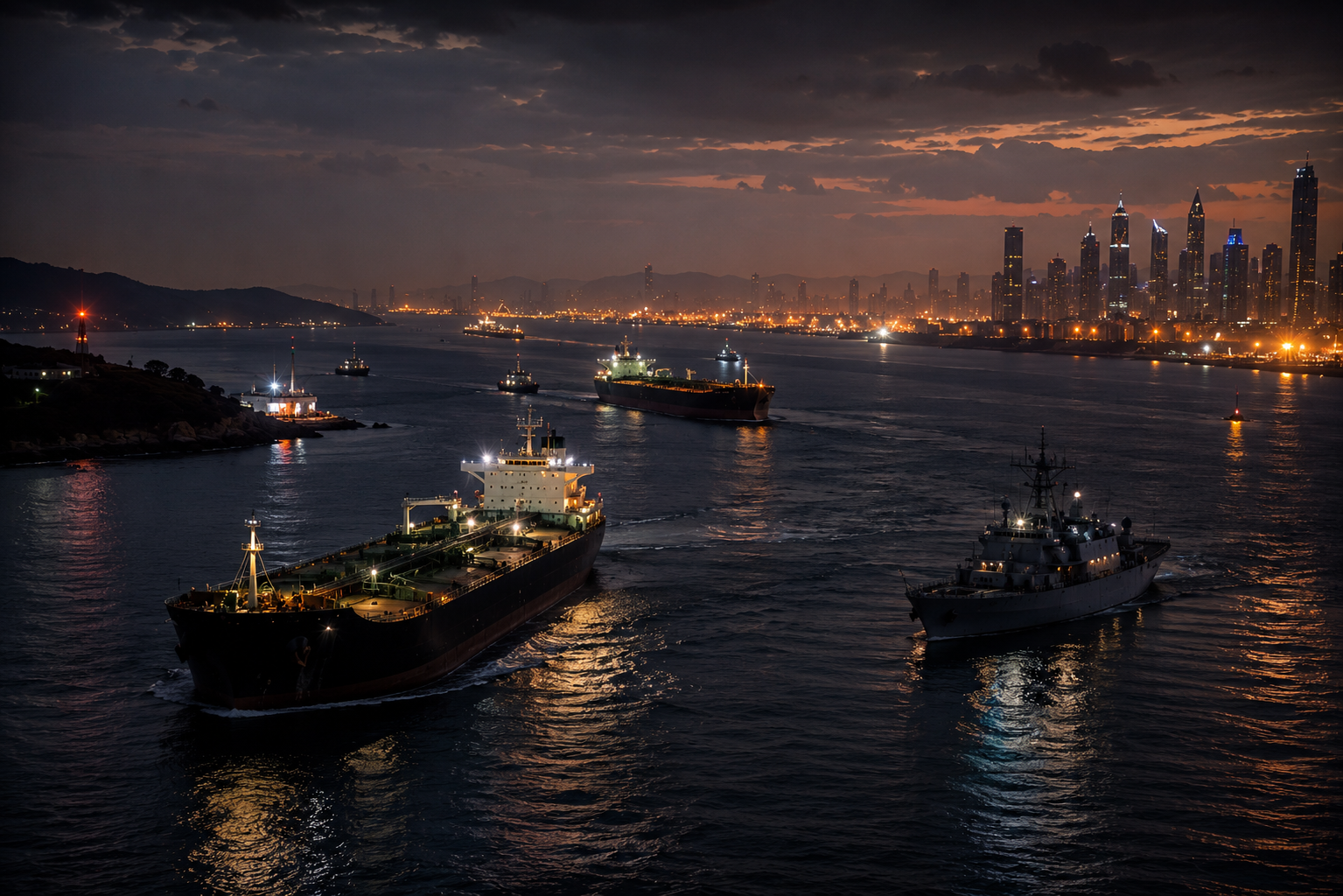
The reported cancellation of the Hormuz operation has triggered major discussion across international political and military circles. According to recent reports, former US President Donald Trump halted the planned operation after Saudi Arabia refused to support the strategy linked to Project Freedom.
The development immediately raised questions about changing alliances, regional security concerns, and the growing complexity of Middle Eastern diplomacy.
For years, the Hormuz operation was viewed as part of broader efforts to secure one of the world’s most important oil shipping routes. However, Saudi Arabia’s refusal reportedly forced Washington to reconsider its plans.
The situation highlights how regional cooperation remains essential in any military or security strategy connected to the Gulf region.
What Was the Hormuz Operation?
The proposed Hormuz operation reportedly focused on military and strategic actions connected to the Strait of Hormuz, one of the world’s most critical waterways.
A significant percentage of global oil shipments passes through the narrow passage every day. Because of this, the Strait of Hormuz has remained a major geopolitical hotspot for decades.
The reported operation was allegedly connected to a wider US strategy called Project Freedom, which aimed to strengthen military and strategic control in the region.
According to reports, the operation required strong regional cooperation, especially from Gulf allies like Saudi Arabia.
Without that support, the entire Hormuz operation reportedly became far more difficult to execute.
Saudi Arabia’s Refusal Changed the Situation
The biggest turning point in the story came when Saudi Arabia reportedly refused to support the plan.
According to the report, Saudi officials were unwilling to back military escalation connected to the proposed Hormuz operation. That decision reportedly forced Washington to reconsider its strategy.
Saudi Arabia’s position matters because the kingdom remains one of the most influential political and military powers in the Gulf region.
Without Saudi backing, any regional military strategy becomes significantly harder to coordinate.
The reported refusal also suggests Gulf countries may now prefer more cautious approaches toward regional conflicts.
Why Saudi Arabia May Have Avoided Escalation
Analysts believe several factors may have influenced Saudi Arabia’s reported refusal to support the Hormuz operation.
Possible concerns include:
- Regional stability risks
- Economic pressure
- Oil market uncertainty
- Security concerns
- Fear of broader military escalation
The Gulf region remains highly sensitive politically and economically. Any military confrontation near the Strait of Hormuz could immediately affect global energy markets.
That reality likely influenced Saudi calculations.
Diplomatic Priorities May Be Changing
The latest reports also suggest regional diplomacy may be evolving.
Several Gulf nations have recently attempted to reduce tensions through dialogue and economic cooperation rather than direct military confrontation.
The reported Saudi refusal connected to the Hormuz operation may reflect those broader diplomatic priorities.
Why the Strait of Hormuz Matters So Much
The Strait of Hormuz remains one of the most strategically important waterways in the world.
Massive amounts of global oil exports move through the narrow shipping route every day. Because of that, any military activity near the strait immediately attracts worldwide attention.
The reported Hormuz operation therefore carried enormous geopolitical importance.
If instability disrupts shipping routes in the region, global oil prices can rise rapidly. International shipping companies, energy markets, and governments closely monitor any signs of tension there.
That is why even reports about a canceled Hormuz operation can create major political discussion.
Trump’s Decision Draws Global Attention
The reported decision by Donald Trump to halt the Hormuz operation quickly became an international talking point.
Supporters may view the move as a strategic adjustment based on regional realities. Critics, meanwhile, could interpret the cancellation as evidence of difficulties in maintaining coalition support.
Regardless of political opinion, the decision highlights how dependent large military strategies are on international partnerships.
Without support from key regional allies, operations in sensitive areas become far more risky and politically complicated.
The latest reports surrounding the Hormuz operation show how quickly geopolitical strategies can change.
Project Freedom Remains Controversial
The reports also renewed debate surrounding Project Freedom itself.
Although details remain limited publicly, the strategy has reportedly been connected to broader US regional security goals.
Critics argue aggressive military planning in sensitive areas could increase instability. Supporters claim stronger security measures are necessary to protect international shipping and energy infrastructure.
The canceled Hormuz operation has therefore reignited larger conversations about military intervention, diplomacy, and regional partnerships.
Several analysts believe future US strategies in the Gulf may now require greater emphasis on diplomacy instead of direct confrontation.
Global Energy Markets Watch the Situation Closely
Energy analysts are paying close attention to developments linked to the Hormuz operation because the Strait of Hormuz directly affects global oil transportation.
Whenever tensions rise in the Gulf region, oil markets often react immediately.
Concerns usually involve:
- Shipping disruptions
- Oil supply risks
- Insurance costs
- Fuel price increases
- Regional instability
Even though the operation was reportedly halted, the political tensions surrounding the region continue creating uncertainty.
That uncertainty alone can influence global energy discussions.
Middle East Alliances Continue to Shift
The reported cancellation of the Hormuz operation also reflects changing alliances and priorities across the Middle East.
Regional governments increasingly balance security concerns with economic interests and diplomatic relationships.
Saudi Arabia’s reported refusal demonstrates that traditional alliances may no longer guarantee automatic military cooperation.
Countries in the region now appear more cautious about becoming involved in operations that could escalate tensions further.
The latest Hormuz operation reports therefore reveal a broader shift in Middle Eastern geopolitical strategy.
Analysts Say Diplomacy May Become More Important
Many political analysts believe diplomacy will now play a larger role in Gulf security policy.
The reported collapse of support for the Hormuz operation shows how difficult military coordination can become in politically sensitive regions.
Experts argue future strategies may focus more heavily on:
- Diplomatic negotiations
- Regional cooperation
- Economic partnerships
- Maritime security agreements
- De-escalation efforts
The Gulf region remains extremely important globally because of its energy resources and shipping routes.
That importance means world powers will likely continue seeking stability there through multiple approaches.
Why the Hormuz Operation Story Matters Globally
The reported Hormuz operation matters far beyond the Middle East itself.
Global economies remain deeply connected to Gulf energy exports and international shipping routes. Political instability in the region can affect fuel prices, financial markets, transportation costs, and diplomatic relations worldwide.
That is why the story attracted so much international attention.
The combination of US strategy, Saudi Arabia’s refusal, and regional tension created a powerful geopolitical moment with worldwide implications.
Final Thoughts
The reported cancellation of the Hormuz operation after Saudi Arabia refused support highlights how complicated Middle Eastern geopolitics has become. Military strategy in the Gulf now depends heavily on regional partnerships, diplomatic calculations, and economic stability.
The Strait of Hormuz remains one of the world’s most critical energy routes, making every political decision connected to the region globally important.
While the future of Project Freedom remains uncertain, the latest developments suggest diplomacy and regional cooperation may now play a bigger role than direct military escalation.
For now, the halted Hormuz operation serves as another reminder that global security strategies are shaped not only by military power, but also by political alliances and regional trust.
Read Another Interesting news here: Iran US Deal
