

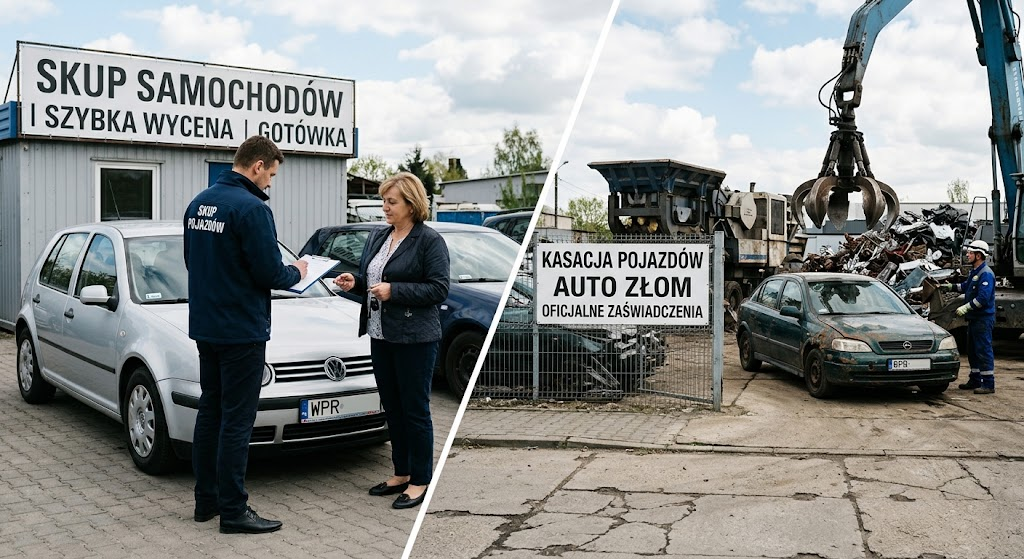
Owning a car provides convenience and independence, but maintaining an old or damaged vehicle can become expensive over time. Mechanical failures, accident damage, corrosion, and rising repair costs may eventually make keeping a car financially impractical. When this happens, owners often face an important decision: should they sell the vehicle to another buyer or choose professional scrapping services?
Fortunately, there are several options available in Poland for people who want to dispose of unwanted vehicles. Understanding how vehicle purchasing and authorised scrapping work can help you choose a suitable solution, avoid unnecessary expenses, and complete the process with fewer complications.
This guide explains when selling a vehicle makes sense, when scrapping may be the better option, how to prepare the necessary documents, and what to consider before choosing a vehicle-buying company.
When Should You Consider Selling or Scrapping Your Car?
Every vehicle has a different history, condition, and market value. A car that requires minor repairs may still be attractive to a private buyer, while a vehicle with severe structural damage or major mechanical problems might be more suitable for an authorised dismantling facility.
Before making a decision, consider the car’s age, mileage, repair requirements, and current market demand. Compare the estimated cost of repairs with the amount you could realistically receive from selling the vehicle in its current condition.
For example, replacing an expensive engine or repairing significant corrosion may not be financially sensible if the vehicle’s market value is low. In contrast, an older car that remains mechanically sound may still interest a buyer looking for affordable transportation.
Evaluating these factors helps you avoid spending money on repairs that may not increase the vehicle’s value sufficiently.
Understanding Złomowanie Samochodów
The Polish phrase złomowanie samochodów refers to scrapping or dismantling vehicles that have reached the end of their useful life or are no longer economical to repair.
This process is particularly relevant for cars that have suffered extensive accident damage, developed serious mechanical faults, or deteriorated because of age and corrosion. Rather than leaving the vehicle unused on private property, owners can explore authorised vehicle dismantling services.
During the dismantling process, reusable components may be recovered where appropriate, while materials such as metals can be separated for recycling. Proper vehicle recycling helps reduce waste and allows valuable materials to be returned to the production cycle.
However, it is important to distinguish authorised vehicle dismantling from simply abandoning or dismantling a car without following the applicable regulations. Owners should confirm that the facility is legally authorised to accept end-of-life vehicles and issue the required documentation.
Benefits of Professional Vehicle Scrapping
One major advantage of professional scrapping is that it provides a structured way to dispose of a vehicle that has little remaining resale value.
An authorised facility can explain the required paperwork and the procedure for handling the vehicle. Depending on the vehicle’s condition and location, collection may also be available.
Scrapping can be especially useful when a car is no longer roadworthy, has extensive damage, or would require repairs that exceed its realistic market value.
Before arranging the service, ask about the facility’s acceptance criteria, collection arrangements, and any charges that may apply.
How Does the Vehicle Scrapping Process Work?
Although individual procedures can vary, the process generally follows several steps.
Step 1: Contact an authorised facility.
Find a properly authorised vehicle dismantling facility and confirm that it accepts your vehicle’s type and condition.
Step 2: Prepare the necessary documents.
You may need the vehicle registration certificate, proof of ownership, identification, and other documents depending on the circumstances. Ask the facility for a complete list before arranging delivery or collection.
Step 3: Arrange vehicle delivery or collection.
If the car cannot safely or legally be driven, ask whether suitable transportation is available. Confirm the collection arrangements and any related charges in advance.
Step 4: Receive the required certificate.
After accepting the vehicle, an authorised facility should provide the appropriate proof of dismantling or acceptance required under the applicable procedure. Keep this document safe because it may be needed for subsequent administrative steps.
Step 5: Complete the remaining formalities.
Follow the relevant requirements for deregistration, reporting the vehicle’s disposal, and notifying the insurer. Confirm the current deadlines and documents with the appropriate authorities.
Following the correct procedure helps reduce the risk of administrative problems after the vehicle has been dismantled.
What Is Skup Pojazdów?
The Polish term skup pojazdów refers to vehicle-buying services that purchase cars and, depending on their specialisation, other types of vehicles directly from their owners.
These companies may be interested in operational vehicles, older cars, damaged vehicles, or models that owners no longer need. The types of vehicles accepted depend on each company’s purchasing policy.
For owners who want a convenient alternative to private advertising, professional vehicle purchasing can simplify the process. Instead of communicating with numerous potential buyers, you can provide information about your vehicle, request a valuation, and consider the offer.
A purchasing company may evaluate the vehicle’s age, mileage, mechanical condition, bodywork, service history, and demand in the used-car market before determining its price.
Why Choose a Professional Vehicle Buyer?
Selling through a professional buyer can save time, particularly when you want to avoid managing multiple appointments and negotiations.
The process usually begins with an enquiry about the vehicle. The company may request photographs, registration details, mileage, and information about its technical condition. An inspection may then be arranged before the final price is confirmed.
Some buyers also offer vehicle collection, which can be helpful when the car is not suitable for normal road use. However, collection availability and costs should always be confirmed before agreeing to the transaction.
Remember that an initial valuation may change after an inspection if the vehicle’s actual condition differs from the information provided.
How to Determine Whether Selling or Scrapping Is Better
The best option depends on the vehicle’s condition and the amount you can realistically recover from it.
A car in reasonable working condition may have resale value even if it is old. In this situation, requesting offers from vehicle-buying companies can help you understand its market value.
A severely damaged vehicle may be more suitable for dismantling, especially if the cost of repairs is significantly higher than its likely selling price. However, some damaged vehicles retain value because of reusable components or demand for particular models.
To make a sensible comparison, consider the following:
- Estimated resale price: How much are buyers willing to pay for the vehicle in its current condition?
- Repair costs: Would repairs increase the vehicle’s value enough to justify the expense?
- Transportation expenses: Will the vehicle need to be collected or transported to a buyer?
- Administrative requirements: What paperwork is required for the chosen option?
- Convenience: Which option offers a practical solution without unnecessary delays?
Obtaining more than one offer can help you compare the available options before making a final decision.
Tips for Choosing a Reliable Vehicle-Buying Company
Before accepting an offer, check the company’s business information and look for credible customer reviews. A reputable company should explain its valuation process, payment arrangements, collection terms, and documentation requirements.
Ask whether the quoted price is final or subject to an inspection. Confirm whether transportation, administrative services, or other charges will be deducted from the amount you receive.
Read the agreement carefully and ensure that the vehicle details, agreed price, and payment method are correctly recorded. Keep copies of the signed documents and payment confirmation.
If you are considering scrapping the vehicle, verify the dismantling facility’s authorisation rather than relying solely on an advertisement. This is particularly important because the paperwork issued by an authorised facility may be necessary to complete the vehicle’s formal disposal.
Environmental Benefits of Responsible Vehicle Recycling
Old vehicles contain materials that can often be recovered and reused. Proper dismantling allows suitable components to be separated and potentially reused, while recyclable materials can enter appropriate recycling processes.
Responsible handling is also important because vehicles may contain oils, coolants, batteries, and other substances that require careful treatment. Improper disposal can create environmental risks.
Choosing an authorised dismantling facility helps ensure that end-of-life vehicles are processed according to applicable requirements. It also supports more responsible resource management by reducing the amount of material that ends up as unmanaged waste.
Conclusion
Deciding what to do with an unwanted car depends on its condition, repair costs, remaining market value, and the owner’s priorities. Selling the vehicle through a professional buyer may be appropriate when it still has resale potential, while authorised scrapping can provide a practical solution for vehicles that are no longer economical to repair.
By comparing offers, checking the legitimacy of the company, preparing the necessary documents, and understanding the legal requirements, you can make a more informed decision.
Whether you choose to sell your car or arrange professional dismantling, taking the time to evaluate your options can help you complete the process efficiently while protecting your financial and legal interests.
