

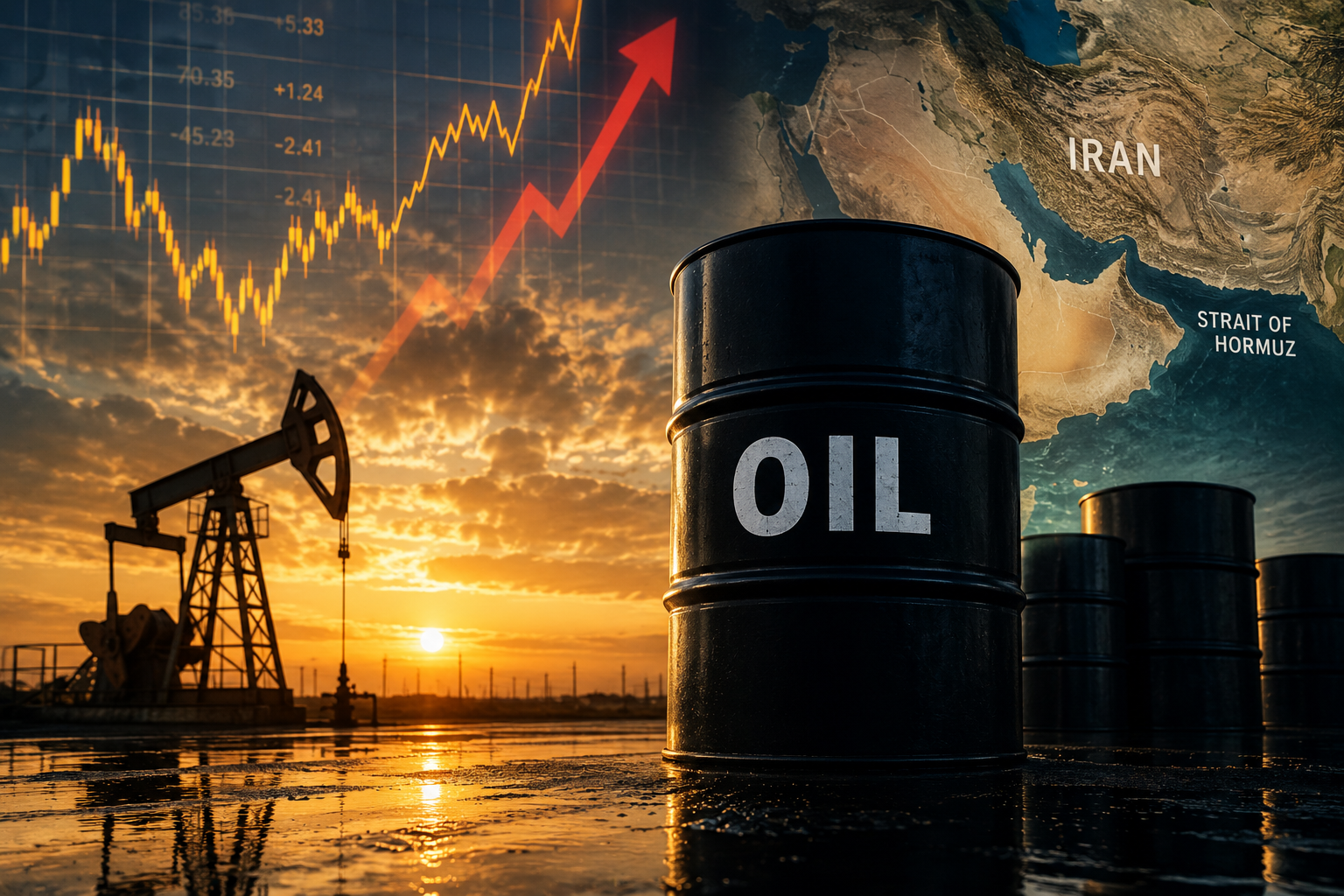
The growing oil price surge linked to tensions involving Iran, the Strait of Hormuz, and warnings from Donald Trump is shaking global energy markets once again.
Investors, governments, and ordinary consumers are watching closely as fears of wider conflict in the Middle East continue pushing oil prices higher.
The situation has become especially serious because the Strait of Hormuz remains one of the world’s most important oil routes. Any threat to shipping there immediately affects global markets.
Why Oil Prices Are Rising Again: Oil price surge
Oil prices climbed sharply after rising concerns about possible escalation involving Iran.
The market reacted to fears that tensions in the Middle East could disrupt energy supplies moving through the Strait of Hormuz.
According to the report, traders are worried about both military conflict and shipping disruptions.
The Strait of Hormuz Is Central to the Crisis
The Strait of Hormuz is one of the world’s most critical energy chokepoints.
Around 20 percent of global oil exports pass through the narrow waterway.
That means any disruption there can quickly create panic in international energy markets.
Because of this, even political threats or military warnings often push oil prices higher within hours.
Donald Trump’s Comments Added Pressure: Oil price surge
The report highlighted comments from Donald Trump, who warned about taking stronger action if tensions continue escalating.
Those remarks increased concerns among investors already nervous about the region.
Markets often react quickly to strong political language involving oil-producing regions.
Why Markets Respond So Fast
Oil trading depends heavily on expectations and future risks.
When traders fear possible supply disruptions, prices often rise before any actual shortage happens.
This creates immediate volatility in financial markets.
In situations involving Iran and the Strait of Hormuz, reactions are usually even stronger because of the region’s importance to global energy supplies.
Iran’s Role in the Global Oil Market: Oil price surge
Iran remains a major player in global energy politics.
Even during periods of sanctions and diplomatic tension, developments involving Tehran continue affecting oil markets worldwide.
Shipping Concerns Are Increasing
The report explained that fears about shipping security are adding pressure to energy markets.
If commercial vessels face delays, higher insurance costs, or security threats, transporting oil becomes more expensive.
That additional cost often affects global prices.
Investors are especially concerned about the possibility of restrictions or military incidents near the Strait of Hormuz.
Why the Strait of Hormuz Matters So Much: Oil price surge
The Strait of Hormuz connects the Persian Gulf to international waters.
Major oil-exporting countries rely on the route to ship energy supplies across the world.
Without stable access to the strait, global energy markets could face serious disruption.
Countries Around the World Depend on the Route
Many economies depend heavily on oil passing through the waterway.
Key regions affected include:
- Asia
- Europe
- North America
- Middle Eastern export markets
Because the route is so important, tensions there influence everything from fuel prices to inflation rates.
Energy Markets Fear Wider Conflict: Oil price surge
The biggest concern for traders is the possibility of broader regional conflict.
Military escalation involving Iran could affect shipping, production facilities, and global energy confidence.
Investors Are Watching Every Development
Oil traders closely monitor:
- Military movements
- Diplomatic statements
- Shipping disruptions
- Sanctions discussions
- Political negotiations
Even small developments can trigger rapid price movements.
That explains why the current oil price surge is receiving worldwide attention.
Rising Oil Prices Affect Ordinary People Too: Oil price surge
Higher oil prices eventually impact consumers around the world.
Fuel costs, transportation expenses, and product prices can all increase when oil markets become unstable.
Inflation Could Rise Again
Economists often warn that energy price increases can contribute to inflation.
When transport and production costs rise, businesses may pass those expenses to consumers.
This can affect:
- Food prices
- Airline tickets
- Delivery costs
- Manufacturing expenses
- Household energy bills
That is why energy market instability becomes a concern far beyond the oil industry itself.
Analysts Are Divided on What Happens Next
Some analysts believe oil prices may continue rising if tensions worsen.
Others think diplomatic efforts could calm markets if regional escalation is avoided.
However, uncertainty remains extremely high.
Diplomacy Still Matters
Behind the scenes, diplomatic communication continues between major powers.
Many governments are trying to avoid a situation that could lead to severe energy disruption or military escalation.
The future direction of oil prices may depend heavily on whether diplomacy succeeds in reducing tensions.
The Global Economy Is Watching Closely
Financial markets across the world are reacting to developments in the Middle East.
Energy instability can influence stock markets, currencies, government borrowing costs, and economic growth expectations.
Why Investors Fear Long-Term Instability
Long-term instability in major oil-producing regions creates uncertainty for businesses and governments alike.
If shipping routes remain under pressure, companies may face higher operational costs and supply chain risks.
That uncertainty often makes investors more cautious.
Could Oil Prices Rise Further?
Much depends on what happens in the coming weeks.
If tensions continue increasing, markets may remain volatile.
However, any diplomatic breakthrough could help reduce fears and stabilize prices.
Several Outcomes Remain Possible
Possible developments include:
- Continued market volatility
- Diplomatic compromise
- Increased military pressure
- Shipping disruptions
- Stabilization through negotiations
For now, uncertainty remains the biggest driver of the current oil price surge.
Final Thoughts
The latest oil price surge shows how deeply global markets depend on stability in the Middle East.
Concerns involving Iran, the Strait of Hormuz, and strong political warnings from leaders like Donald Trump are fueling fears about energy supplies and regional security.
As tensions continue, governments, businesses, and consumers worldwide are preparing for possible economic effects. At the same time, diplomatic efforts remain critical to preventing a deeper crisis.
The coming weeks may decide whether oil markets calm down or face even greater volatility ahead.
Read Another Interesting news here: Crypto Scam Adverts
